Cerrado wildlife & trails: my stay at Pousada Trijunção
By Val Garibotti on 18th November, 2025
I’ve just returned from four unforgettable days in Brazil’s Cerrado, staying at Pousada Trijunção with maned wolf tracking, birdwatching, gentle trails and thoughtful food. Here’s what it was like, and why it works so well for anyone curious about Brazil’s quieter wild places.
Settling into the Cerrado
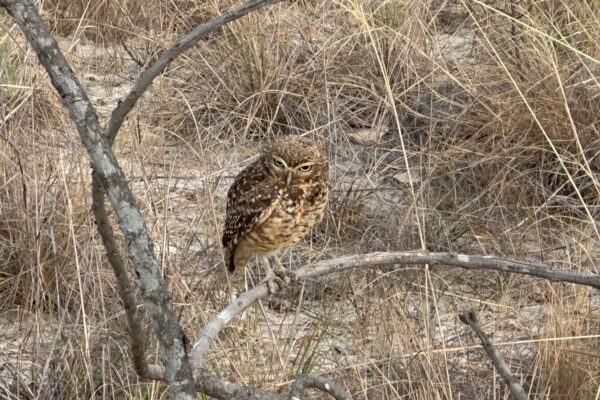
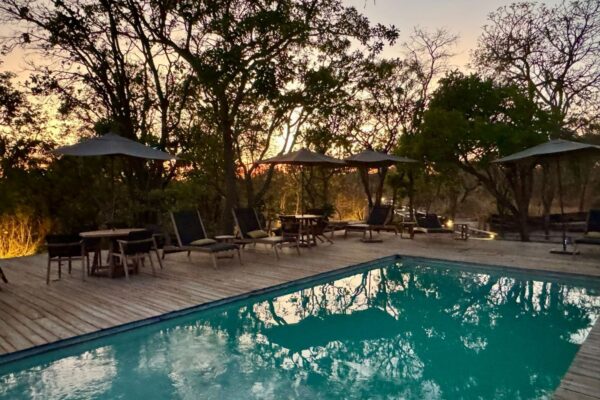
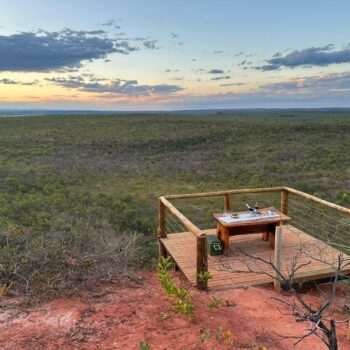
I’ve just come back from the Cerrado and I’m still carrying the feeling of its wide skies and quiet, open spaces. There’s a gentle stillness here that’s different from the rainforest or the coast — a kind of openness that invites you to slow down, listen, and look closer. This part of Brazil doesn’t get much attention, but the richness of life here is surprising if you take the time to notice it. I spent three nights at Pousada Trijunção, which included all meals and activities. From the moment I arrived, I felt the lodge’s relaxed rhythm — everything is planned and well-organised, yet there’s plenty of space to just be.
Why the Cerrado Matters
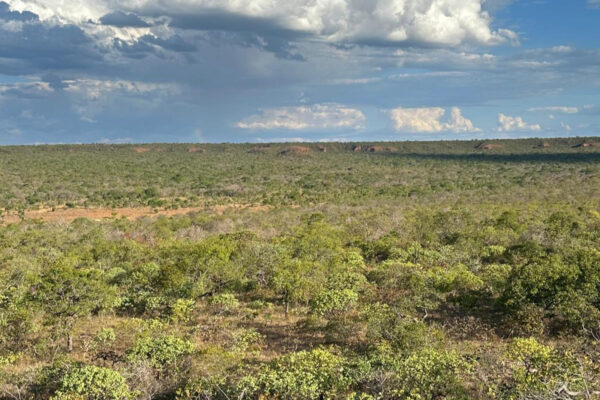
The Cerrado is sometimes described as Brazil’s hidden savannah or its upside-down forest. It stretches across more than 20% of the country, and although the landscape can look sparse at first glance, it’s one of the most biodiverse savannahs in the world. What you don’t see is just as important as what you do — the plants here have incredibly deep root systems that store water, survive fire, and hold vast amounts of carbon underground.
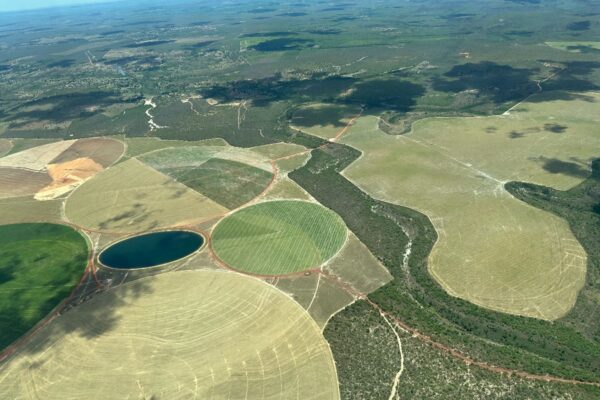
Sadly, around 60% of the Cerrado has already been cleared for agriculture, mostly soy and cattle, which makes spending time here feel even more meaningful. Visiting isn’t about ticking off a destination; it’s about stepping into a fragile, living ecosystem and understanding how birds, mammals, and plants manage to coexist in a landscape that’s under real pressure.
Walking the trails, watching the light fall across the grasslands, or simply sitting beside a stream, everything feels significant. It added a quiet weight to my wildlife sightings and those peaceful moments at Trijunção — a reminder of why places like this need careful protection.
Getting to Pousada Trijunção
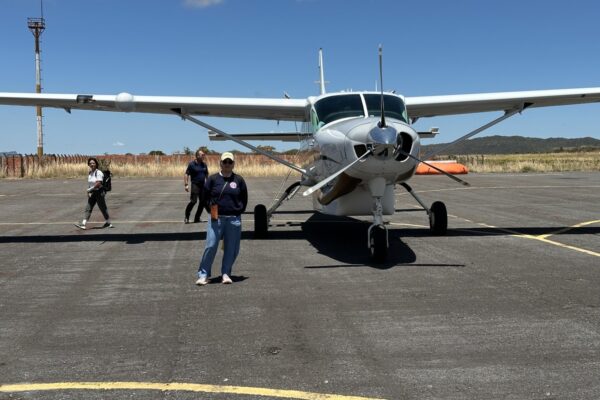
I was lucky enough to arrive in style — a 50-minute private plane hop from Chapada dos Veadeiros, skimming over a patchwork of forest, open savannah, rivers and (unfortunately) vast farmland. From the air, the Cerrado looks endless, dotted with clusters of trees and winding waterways. Once I landed, a driver met me and we took the short transfer to the lodge. Pousada Trijunção sits at the point where three states meet, so it feels tucked away, yet it’s easy to reach. Walking into the lodge, I immediately noticed the calm, friendly atmosphere. There’s no rush here, and the team is ready to make you feel at home, which sets the tone for the rest of the stay.
Maned wolf tracking with Onçafari
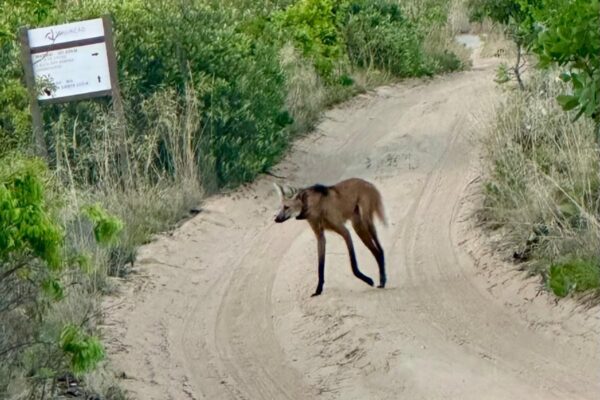
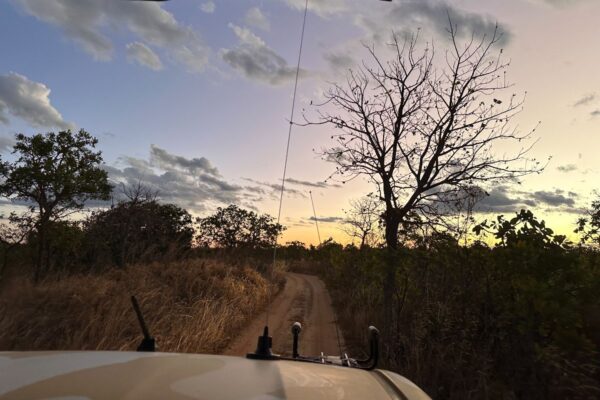
The highlight of my trip was hands-down Onçafari’s maned wolf tracking. I joined two outings — one at dusk and one at sunrise. The evening outing was magical in its own quiet way. The sun was low, painting the grass golden, and everything slowed down. That’s when we spotted Buriti, a maned wolf researchers say is extremely hard to see. He moved elegantly through the grass, long legs striding with calm confidence, completely aware of us but unbothered.
The next morning, I met Savana, Buriti’s daughter. She appeared from the brush with her distinctive, fox-like gait, moving across the landscape with a quiet curiosity. Spending time with these wolves was a privilege, but it was also a reminder of the importance of conservation. Seeing them in their natural habitat — alert, relaxed, and safe — reinforced why Onçafari’s work is so valuable.
Days full of gentle adventure
Outside the wildlife encounters, the lodge offers two included activities per day, so every day is full without feeling hurried. Each experience is designed to help you connect with the Cerrado at your own pace.
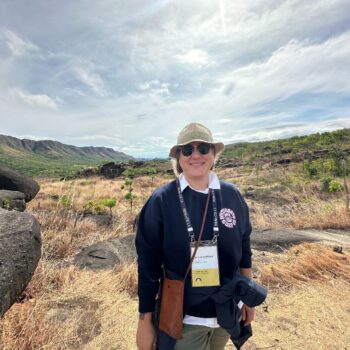
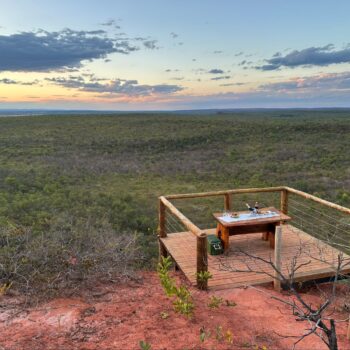
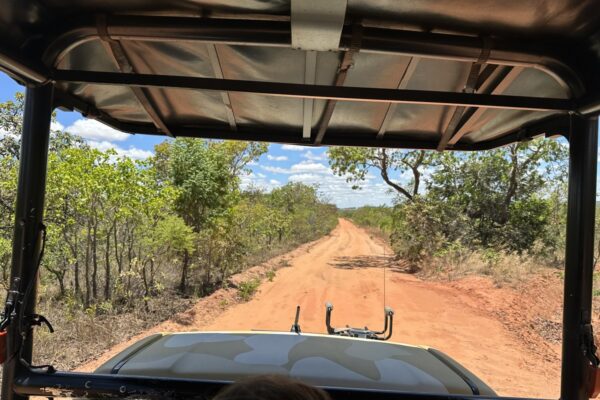
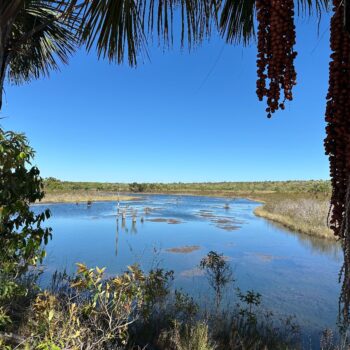
I visited the Grande Sertão Veredas National Park, where golden grasslands stretch for miles, dotted with occasional groves of buriti palms and small streams. The park is alive with bird calls and the gentle rustle of wildlife, and walking through it feels both calming and invigorating. Another afternoon, I watched the sun dip behind the Trijunção landmark, a moment of simple beauty shared only with a handful of guests and the wide-open horizon.
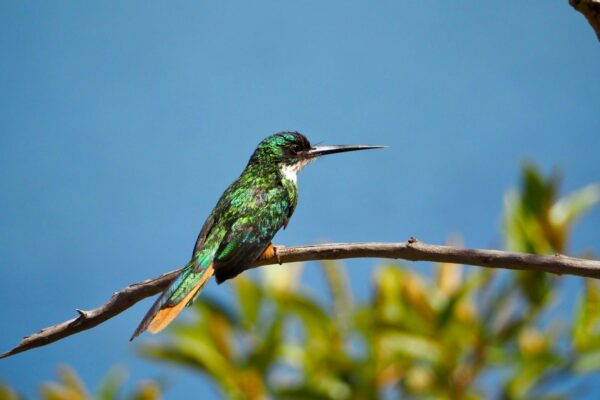
Early mornings offer birdwatching at 6am, when the Cerrado gradually wakes up. There’s something extraordinary about the first light, the soft colours spreading across the grasslands, and the calls of birds echoing in the quiet air. One morning, I took a fat-bike ride to Macaw Lagoon, pedalling along sandy tracks and hearing the macaws long before seeing them swoop overhead. There’s also the Sucuarana Trail, winding through dry forest, buriti palms, and small streams — it gives a real sense of how the Cerrado ecosystem fits together. Every trail, lagoon, and bird call adds a little more understanding of this unique landscape.
Meals and lodge life
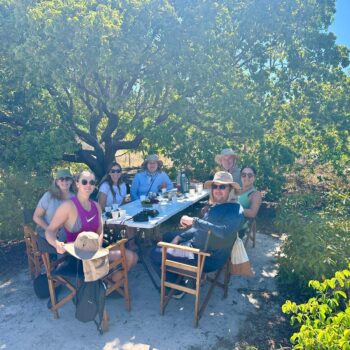
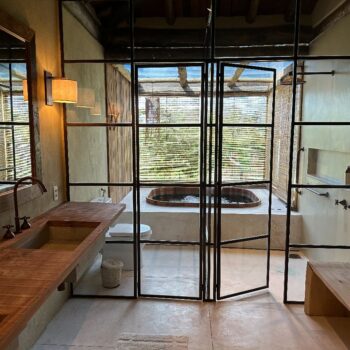
Meals at the lodge are à la carte, fresh, and full of local touches. After a morning on the trails, sitting down to a plate of well-prepared food felt restorative. Whether it was a hearty breakfast before heading out or a lighter lunch after tracking, each meal felt thoughtfully planned to suit the day’s activities.
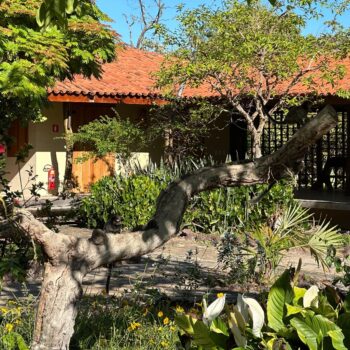
The lodge team are genuinely warm and excited to share their home. They check in without fuss, offer helpful tips, and ensure your days are full but never overwhelming. I left feeling well cared for, and with a deep appreciation for the careful balance of comfort, nature, and wildlife experiences that Trijunção provides.

Planning your visit
Is a holiday in the Cerrado for you? If you’re open to exploring a different kind of Brazil — one away from crowds and coastlines — I can’t recommend this place enough. Can you expect a trip full of wildlife encounters? Probably not, but you can look forward to a unique break, one filled with calm, hope and reconnection with nature.
If you are ready to go, the Cerrado pairs beautifully with Chapada dos Veadeiros or a stop in Brasília, but timing, transfers, and activity planning make a difference. Flights, private transfers, and guided activities are all things we can help arrange, so you can simply relax and enjoy your time. A beach extension at the end is also a great way to relax before flying home, and Paraty with Ilha Grande are the perfect pair!
If you’re curious about including the Cerrado in your Brazil holiday, I’m happy to help you plan it. You can take a look at my 14-day trip to Brazil based on my trip, explore more on our Brazil holidays or browse wildlife-focused options on our Amazon & Wildlife pages. Or even better, email me to get in touch so I can help you plan your next Brazil trip!
Beyond the Cerrado: other wild destinations to consider
If you’re not quite ready for the Cerrado, or you’d like to pair it with other natural hotspots in Brazil, you’re truly spoilt for choice.
The Amazon needs no introduction: a stay here is a deep immersion into the world’s greatest rainforest, offering extraordinary biodiversity, the chance to explore vast river systems, and intimate encounters with the unique cultures and wildlife that call this ecosystem home.
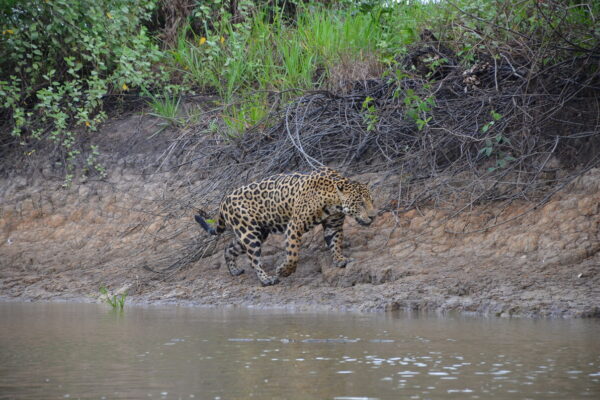
My personal favourite, however, is the Pantanal, and I always recommend it if wildlife encounters sit firmly at the top of your bucket list. This is Brazil’s wildlife hotspot par excellence: jaguars, giant anteaters, capybaras, caiman, giant river otters, an astounding array of bird species, and so much more. In the South Pantanal, you can even join outings with Onçafari—just as I did in the Cerrado—if you stay at the beautiful Caiman Lodge.
If the Pantanal is Brazil’s (and the world’s) greatest wetland, Argentina’s Iberá is its lesser-known counterpart. Not as vast as its Brazilian cousin but every bit as rich in life, it remains far more off the beaten path. It can be a challenging destination to reach, but I can handle all the logistics so you can simply look forward to something truly special.
For more remote options, Argentina’s Impenetrable National Park is wonderfully wild and only just opening up to tourism. Still a newcomer on the international travel map, it offers a rare chance to enjoy a genuinely exclusive experience. Further south in the country, Peninsula Valdes is a corner of Patagonia that will astound you with marine life including southern right whales, penguins, orcas, and sea lions. The best time of the year to see the whales is between June and August, making it a perfect destination for a family!