What is Ramadan & how long does it last?
One of the questions I am asked frequently is how Ramadan might affect a holiday to Morocco. So, with this in mind, I’ve put together some answers, and hopefully they’ll help address any concerns you might have about travelling during this holy month.
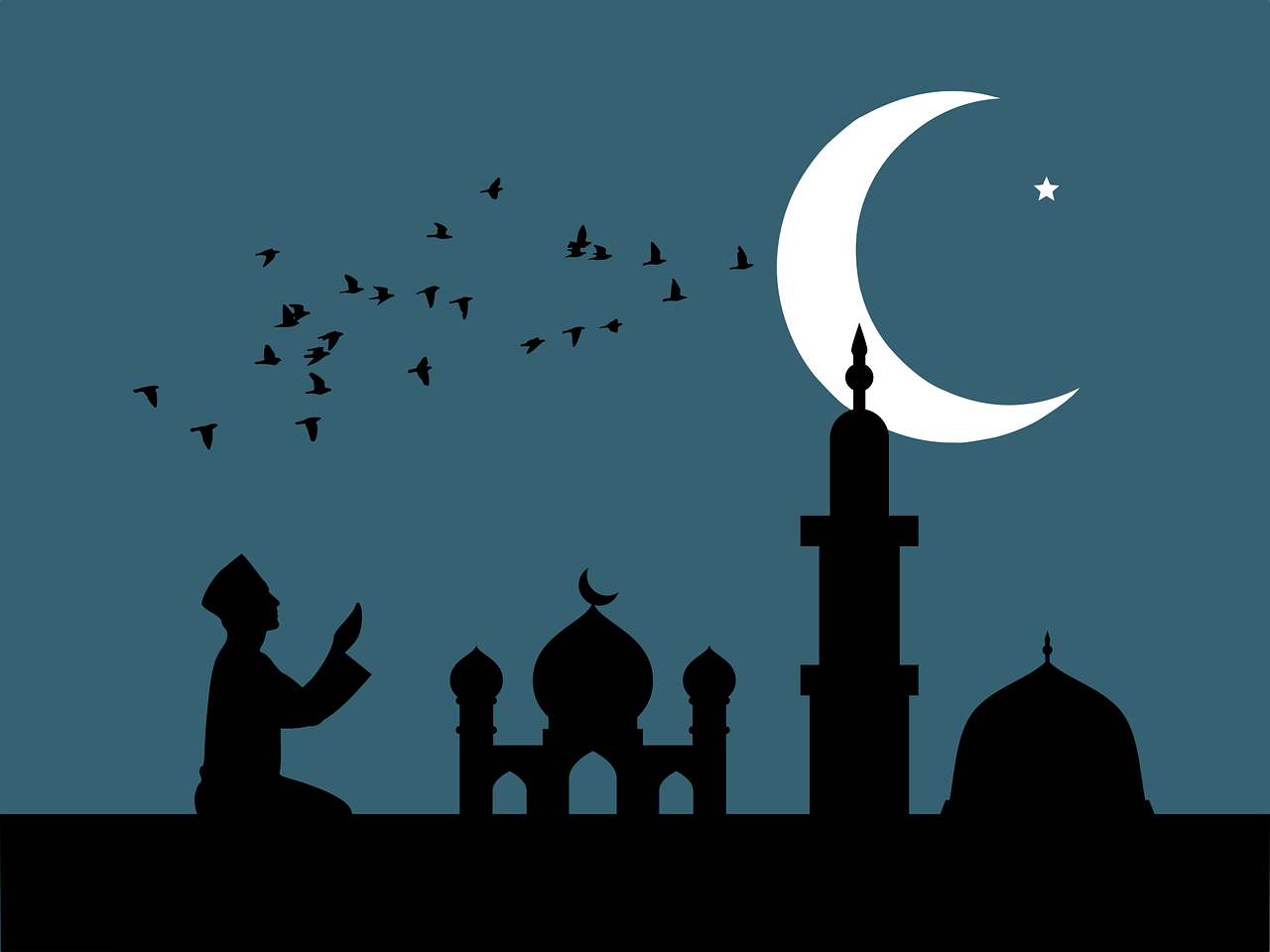
Do you see the crescent moon shaped like a sickle in the sky—the symbol of Islam? This means Ramadan, the ninth month of the Muslim calendar, has officially begun. Ramadan lasts 29 or 30 days because the Islamic calendar is lunar, determined by the moon’s phases. A special commission in Saudi Arabia confirms the official start and end dates.
Muslims believe that in 610 AD, the angel Gabriel appeared to the Prophet Muhammad and revealed the Quran, Islam’s holy book. The faithful fast to commemorate this revelation. Ramadan offers 29 or 30 days of fasting from sunrise to sunset, prayers and opportunities for reflection, habit changes, and insight.
Ramadan itself is a kind of pause from the outside world. As Fatima, who works at Rebali Riads, said: “this month is special but also monotonous because it focuses on strict fasting from sunrise to sunset (no eating or drinking), so even if everything is open, there is no desire to go out. After the first meal at sunset and a moment of rest, evening or night prayers begin, followed by time for sleep—and it all starts over again”.
Will souks and restaurants be open?
First of all, if you are travelling to Morocco during Ramadan – don’t worry! I also wondered how I would fare in Morocco during Ramadan – whether shops would be open and, most importantly, restaurants, especially in remote Atlas Mountain villages.
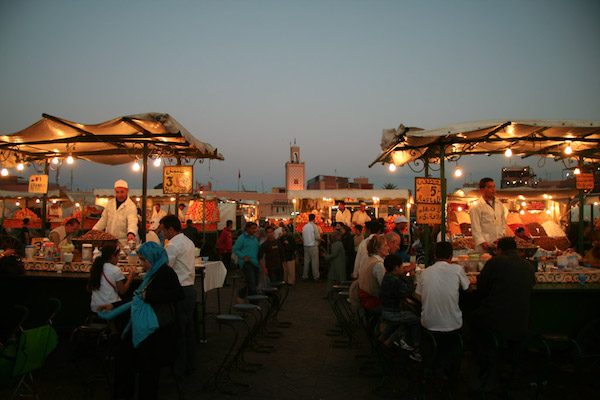
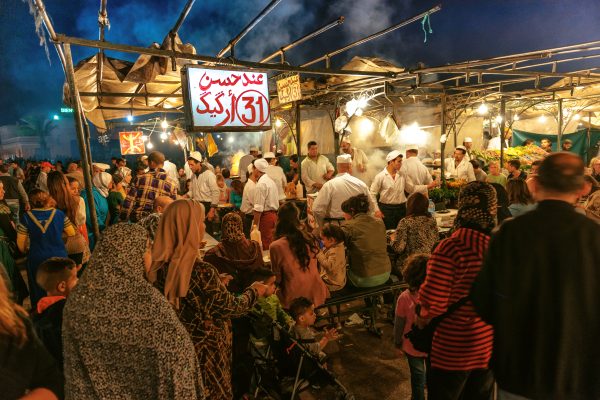
In the main Moroccan cities like Tangier, Fez, Rabat, Marrakech, Essaouira and Agadir, local souks (markets) and restaurants remain open. While some shops operate on slightly adjusted hours, particularly in the morning and late afternoon, the souks are generally very lively, especially towards the end of the day and in the evening.
Restaurants are open, and you can comfortably enjoy breakfast, lunch and dinner at any time of day – even in the Atlas Mountains, in Imlil and the Ourika Valley. In remote or rural areas away from major tourist hubs, it may be more challenging.
Tourists visiting Morocco are not obliged to fast, which Moroccans strictly observe during this period.
Are museums and attractions available?
All tourist attractions – for example, in Marrakech, such as the Majorelle Garden, Bahia Palace, Badi Palace, Saadian Tombs and others – remain open during Ramadan. Please note that opening hours may change. I recommend checking online to avoid disappointment.
Also, in the other main cities, we can easily organise extra activities or guided tours. Whatever interests you – for example, from Marrakech you can enjoy a day trip to the Atlas Mountains, a hot air balloon flight, or even a cooking lesson during Ramadan in Morocco!
Is alcohol available during Ramadan?
Supermarkets and local shops typically suspend alcohol sales for the entire month. However, hotels, riads and licensed restaurants in major cities serve it to non-Muslim guests. Note that consuming alcohol is generally prohibited in the Atlas Mountains (with a minor exceptions), not just during Ramadan—please enjoy it only in your hotel or riad.
Are there typical meals during the fasting period?
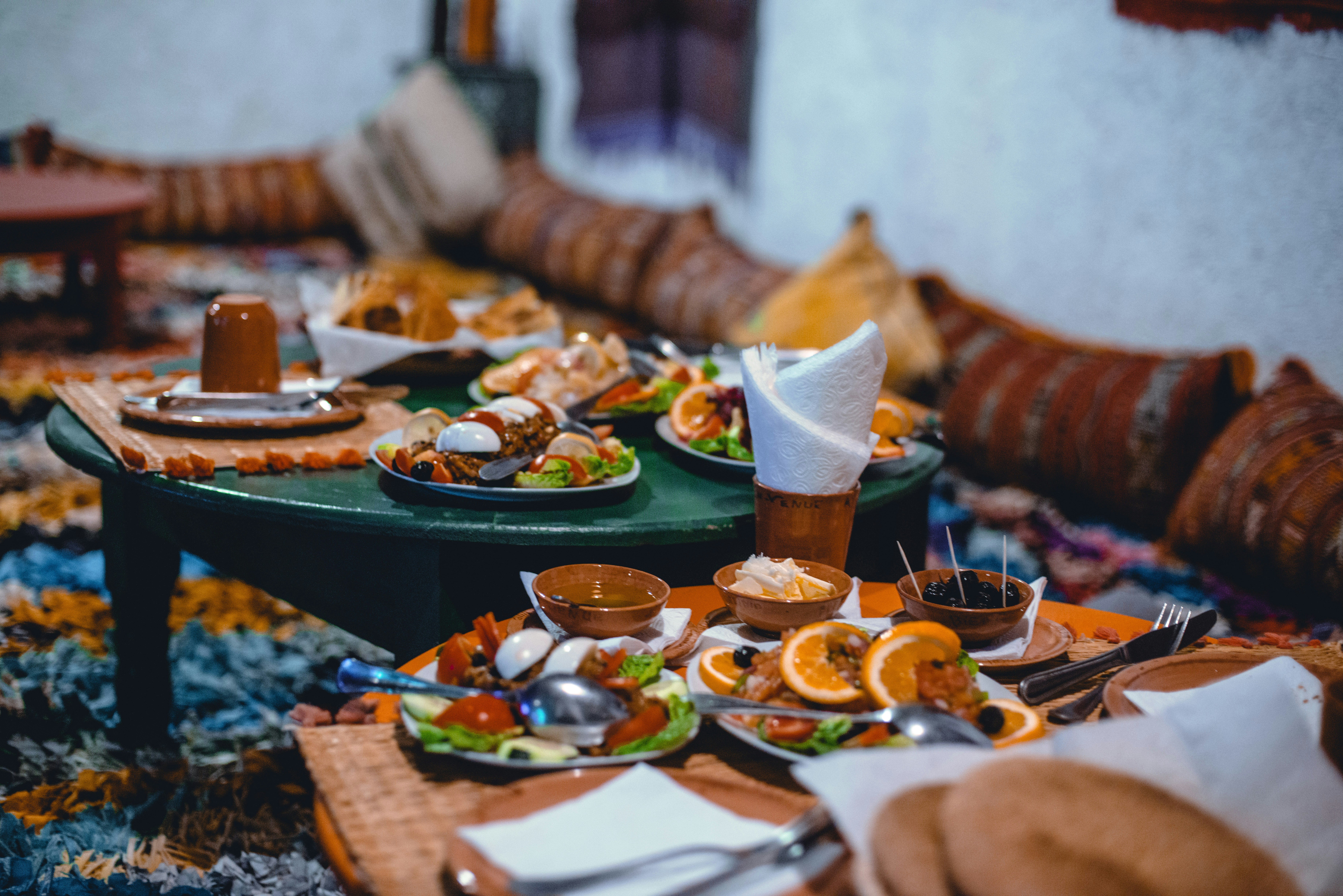
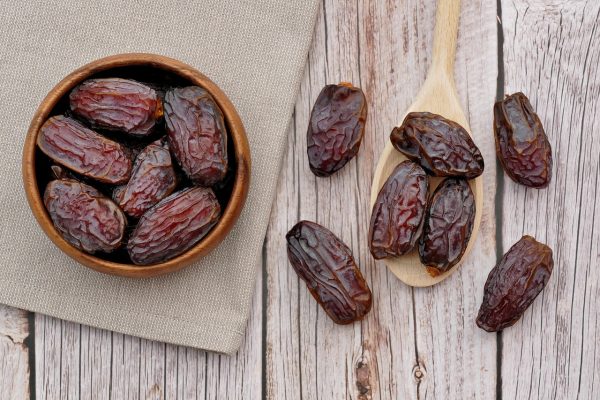
The iftar meal, marking the breaking of the fast at sunset, offers a chance to savour traditional dishes prepared throughout the day. It typically starts with dates and a glass of milk or water, following the Prophet Muhammad’s example, followed by harira soup—which is delicious and nutrient-rich to replenish the body after fasting. I highly recommend trying harira, it’s simple and delicious!
One of the unique Moroccan customs is “nafar”. A man dressed in a djellaba and turban walks through the neighbourhoods before dawn, waking families with the sound of a flute.
Suhoor, the pre-dawn meal, sustains fasters through the day with lighter yet substantial foods that release energy slowly. Popular options include rfissa (chicken and lentil stew over shredded pancakes), b’ssara (fava bean soup) and breads with olive oil, honey and cheese, alongside fresh fruit and yoghurt.
How does the Ramadan period differ from the rest of the year?
For sure, it will be quieter, especially at sunset, as people gather in their homes to share a communal meal.
During this special period of fasting, it’s worth pausing near a mosque during prayer time. For example, in Marrakech, right beside the Koutoubia Mosque—the city’s largest and most iconic mosque—the multi-lane road is closed off for evening prayers and laid with prayer mats for the faithful.
Afterwards, it becomes very crowded, as worshippers head home or stop off at nearby cafes and restaurants. Ramadan stands out from the rest of the year due to its profound spiritual emphasis and distinctive communal rhythm.
How is the end of Ramadan celebrated?
As Eid al-Fitr approaches, Moroccan families buy new traditional clothes for themselves and their children, taking care to greet Eid al-Fitr (end of Ramadan) in beautiful attire. In the final days of Ramadan, “homes fill with the aroma of freshly baked sweets such as ghriba, fakas and kaab al-ghazal, while nuts and other festive treats await guests” – Fatima explained.
Early in the morning, thousands of people head to prayer halls and mosques. On Eid morning, the festive prayer (salah) takes place first, followed by people exchanging greetings in the mosque. They then return home for a celebratory breakfast.
A cherished Moroccan custom allows anyone—even strangers—to visit any home, sharing tea, sweets, and a plate of couscous for lunch in a spirit of hospitality and unity.